
Key takeaways
- Wet or dry comes first. A wet stain means water is still getting in, or got in recently. A dry stain may be old, or it may only get wet now and then.
- Rings often mean repeat leaks. Several ring lines often mean the area got wet, dried, and got wet again, more than once.
- Your dated photos matter. Insurers often cover sudden leaks but not slow ones. Photos from the day you found it help show what you saw and when.
Words you’ll see
- Water ring
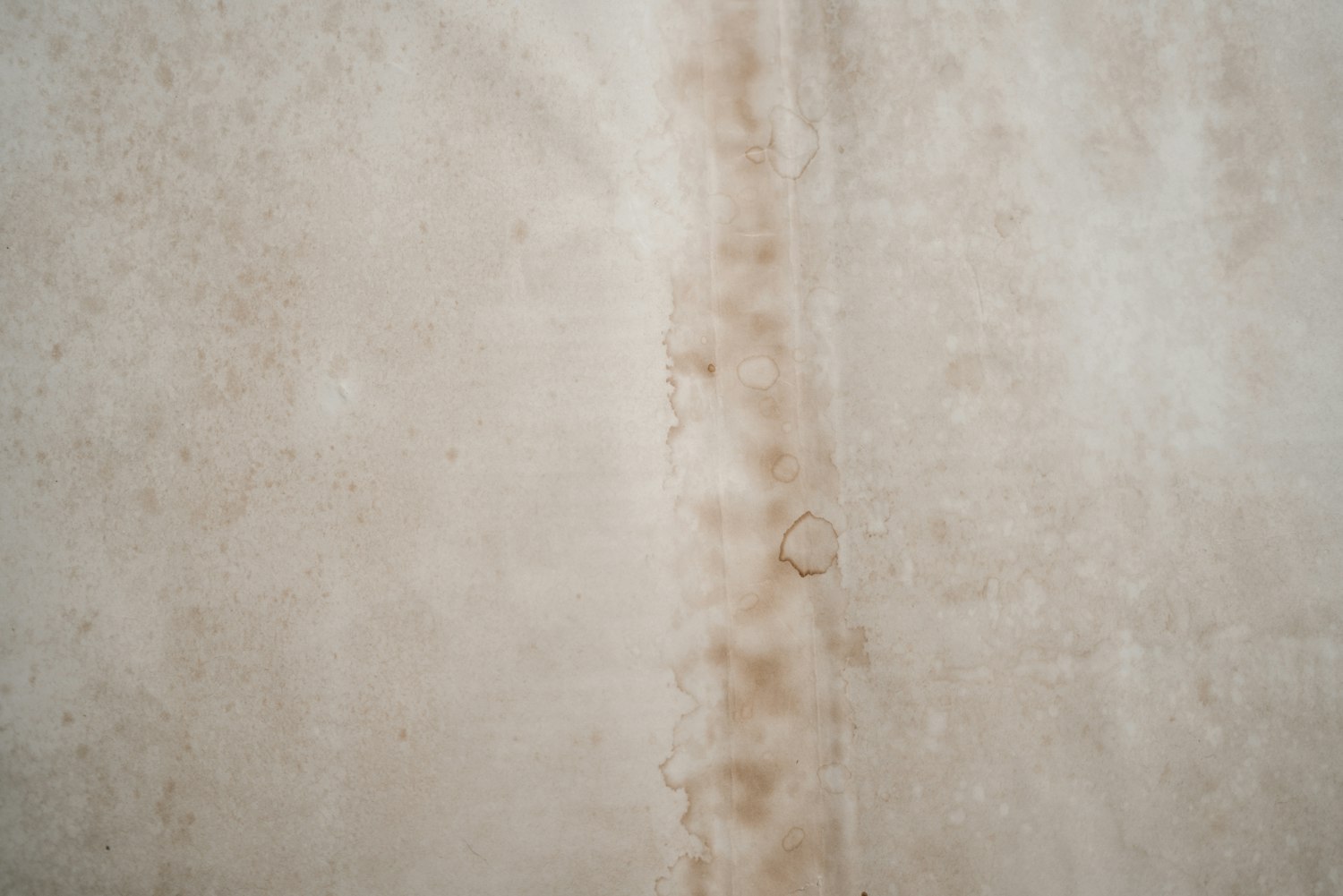
- A dark line at the edge of a stain. It forms where water dried and left minerals and dirt behind. Several rings often mean the spot got wet more than once.
- Active leak
- A leak that’s still letting water in, all the time or every time something happens, like rain or a shower.
- Moisture meter
- A handheld tool that checks how wet drywall, wood, or plaster is. Some models read through the surface without leaving holes.
- Sudden and accidental
- Insurance wording for damage that happens quickly and unexpectedly, like a pipe that bursts. Many policies cover this.
- Gradual damage
- Damage from a slow leak that went on for a while. Many policies exclude it.
On this page
First question: Is it still wet?
Before you worry about how old a stain is, find out if water is still getting in. That’s what decides how fast you need to act.
- 1
Do a quick touch test
First, make sure the stain isn’t near a light fixture, outlet, or wiring, and the ceiling isn’t sagging. If it is, skip this and see “Stay safe” below. Otherwise, gently press the edge of the stain with a dry hand. Damp or soft drywall means it’s wet now. A spot that feels noticeably cooler than the drywall around it may be wet too. Dry and firm usually means no water is coming in right now. But a leak that only happens during rain or a shower can still be dry between times.
- 2
Run the water above it
If the stain is dry and there’s a bathroom, kitchen, or laundry room above it, use it: run the shower, fill and drain the tub, flush the toilet. Then check the stain again over the next day. If the stain is already wet, skip this step. You already know water is getting in. Home inspector Reuben Saltzman of Structure Tech says that when a stain under a plumbing fixture is dry, the fixture above should be tested and then the stain checked again.
- 3
Check after the next rain
If the stain is on a top-floor ceiling or near an outside wall, look at it again during or after the next storm. A stain that darkens or spreads after rain points to the roof, flashing, or windows.
Clues that point to old or new water damage
These signs can help you make a good guess. None of them is proof on its own, so look at them together.
Why mold matters: the EPA says to dry water-damaged areas and items within 24 to 48 hours to prevent mold growth. If you see mold, the area has likely stayed damp longer than that. The EPA also says you may suspect hidden mold if a room smells moldy but you can’t see the source.
How to track a stain over the next few days
If you’re not sure whether the leak is still going, watch the stain for a few days. It’s free and takes a minute a day.
- Trace the edge of the stain lightly with a pencil and write the date and time next to it.
- Take a photo from the same spot each day, with a phone that saves the date.
- Note what happened before each check: rain, showers, laundry, the dishwasher.
- If the stain grows past your pencil line, the leak is active. Don’t wait to call someone.
- If it stays dry and inside the line for a week or more, including after rain and normal water use, the leak has likely stopped. If it hasn’t rained yet, keep checking after the next storm. Still find out what caused it.
A pro can tell you more. InterNACHI, a home inspector association, says a moisture meter is especially useful for telling whether the source of a wall or ceiling stain is active or has been repaired. Keep in mind that a meter shows whether something is wet right now. It can’t tell you exactly when the water got there.
Why the age matters for insurance
This is often the real worry. Most homeowners policies are written for sudden accidents, not slow leaks. Washington State’s insurance commissioner, the regulator in our neighboring state, says most homeowners policies don’t cover gradual leaks, and that insurers generally treat them as maintenance problems. Its list of gradual leaks that insurers usually don’t cover includes “damage that develops over more than a couple of days.” The same page says sudden leaks are usually covered if you report them to your insurer quickly.
The NAIC explains that homeowners policies generally cover damage from a sudden and accidental discharge of water from a plumbing system. Your own policy has the final word.
Good records help. In one case reviewed by the UK Financial Ombudsman Service, an insurer turned down a ceiling stain claim as gradual damage. The homeowner had taken photos the day she made the claim, showing a stain that hadn’t spread far and had no mold. The ombudsman said her photos proved the stain was new. It also found she couldn’t have known about the hidden leak until the stain appeared, and that she reported it quickly. It told the insurer to accept her claim. That case is from the UK, and US policies and rules differ, but the lesson still applies: photograph it the day you find it, and report it promptly.
The Idaho Department of Insurance has tips for filing a home claim. Our guide to water damage insurance claims in Idaho walks through the steps, and our guide to a denied water damage claim covers what to do if they say no.
Found an old stain in a home you’re buying or renting?
A stain in a house you’re about to buy raises different questions: what caused it, and was it fixed?
- Ask the seller. Idaho’s seller disclosure form asks about problems with basement water, roof condition and age, plumbing, and drainage, based on what the seller knows.
- Ask your home inspector to check the stain with a moisture meter and to look at the plumbing, roof, or attic above it.
- Ask for repair records, like a plumber’s or roofer’s invoice that shows what was fixed and when.
- If you rent, tell your landlord or property manager in writing, with photos and the date you noticed it.
Who to call
A plumber or roofer fixes what leaked. A restoration crew handles the damage to your home: finding hidden water, drying it out, and removing materials that can’t be saved. You can ask to see their moisture readings.
Frequently asked questions
Can a moisture meter tell how old water damage is?
No. A moisture meter shows whether a material is wet right now. That tells you if a leak is active, but not exactly when the water first got in. Rings, mold, and whether the stain changes over time give more clues.
Does homeowners insurance cover old water damage?
Usually not. Most policies cover sudden, accidental water damage but not slow leaks that went on for a long time. If you just found the stain, take dated photos, find the cause, and report it quickly. Your policy has the final word.
Can I just paint over an old water stain?
Only after the leak is fixed and the area is fully dry. Otherwise the stain can come back, and you may hide a problem that keeps growing. Many painters use a stain-blocking primer first so the mark doesn’t bleed through.
A stain doesn’t always mean a big problem, but it’s worth finding out. You don’t have to figure it out alone.
If the stain is wet, growing, or soft, call and we’ll try to connect you with an independent water damage provider near you who can check for hidden moisture. If it’s dry and you only need a leak fixed, a plumber or roofer is the right call.
Read next


Related guides
Sources (checked November 10, 2026)
- US EPA, “A Brief Guide to Mold, Moisture and Your Home”: https://www.epa.gov/mold/brief-guide-mold-moisture-and-your-home
- Structure Tech Home Inspections (Reuben Saltzman), “Ceiling Stains”: https://structuretech.com/ceiling-stains/
- InterNACHI, “Moisture Meters for Inspectors”: https://nachi.org/moisture-meters.htm
- Washington State Office of the Insurance Commissioner, “Leaks, water damage, and mold”: https://www.insurance.wa.gov/insurance-resources/home-insurance/how-home-insurance-works/leaks-water-damage-and-mold
- NAIC, “Will My Homeowners Insurance Policy Cover Water Damage From a Burst Pipe?”: https://content.naic.org/article/will-my-homeowners-insurance-policy-cover-water-damage-burst-pipe
- Financial Ombudsman Service (UK), “An insurer uses a gradual damage exclusion to reject Sandy’s claim”: https://www.financial-ombudsman.org.uk/decisions-case-studies/case-studies/slow-leak-damage-not-covered-risks-policy
- Idaho Department of Insurance, “Home & Renters Claims”: https://doi.idaho.gov/consumers/home-renters-insurance/home-renters-claims/
- Idaho Code § 55-2508, Seller Property Disclosure Form: https://legislature.idaho.gov/statutesrules/idstat/Title55/T55CH25/SECT55-2508/
Update log
- November 10, 2026: First published.